

There are places in Italy where distance is not measured in kilometers, but in atmosphere.
Campo Imperatore is one of them.
Just over an hour from Rome, the road begins to rise and suddenly opens onto a vast, luminous plateau suspended between sky and stone. At over 1,800 meters above sea level, Campo Imperatore stretches for miles, framed by the peaks of the Gran Sasso, earning it the nickname “the Tibet of Italy.” The comparison is not rhetorical: the light is sharp, the air thin, the horizon wide and almost unsettling in its emptiness.
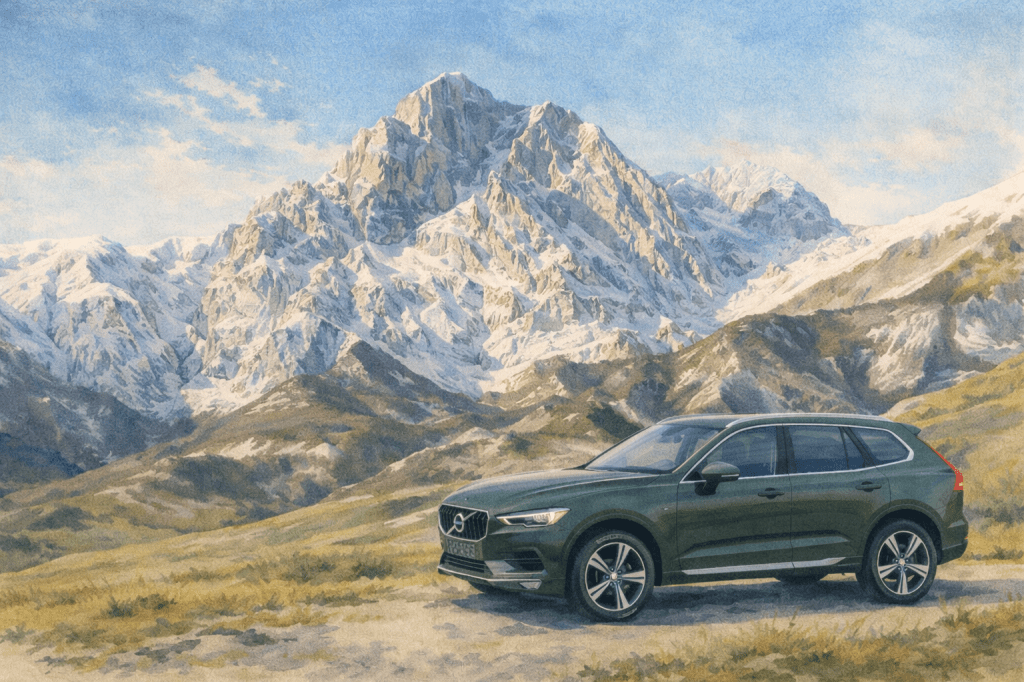
Here, the landscape is stripped to its essentials. No towns, no distractions. Only grasslands shaped by wind, seasonal grazing, and centuries of transhumance. Shepherds’ routes still trace invisible lines across the plain, linking Abruzzo to the rhythms of an older Italy. In summer, wildflowers appear in sudden bursts of color; in winter, snow transforms everything into a near-monochrome silence.
Campo Imperatore is also a place layered with stories. From ancient pastoral traditions to 20th-century history, including the isolated mountain hotel once chosen for its strategic remoteness, the plateau has always been valued for its distance from the ordinary world.
Visiting Campo Imperatore is not about ticking off a sight. It is about slowing down, stepping out of scale, and letting space do the work. It is a destination that cannot be reached casually, and this is precisely its strength.
Within a QuodLibet Journey, Campo Imperatore becomes an encounter with altitude, light, and silence — a reminder that Italy is not only art cities and coastlines, but also vast, breathing landscapes that remain largely untouched.




 Quodlibet Private Journeys