
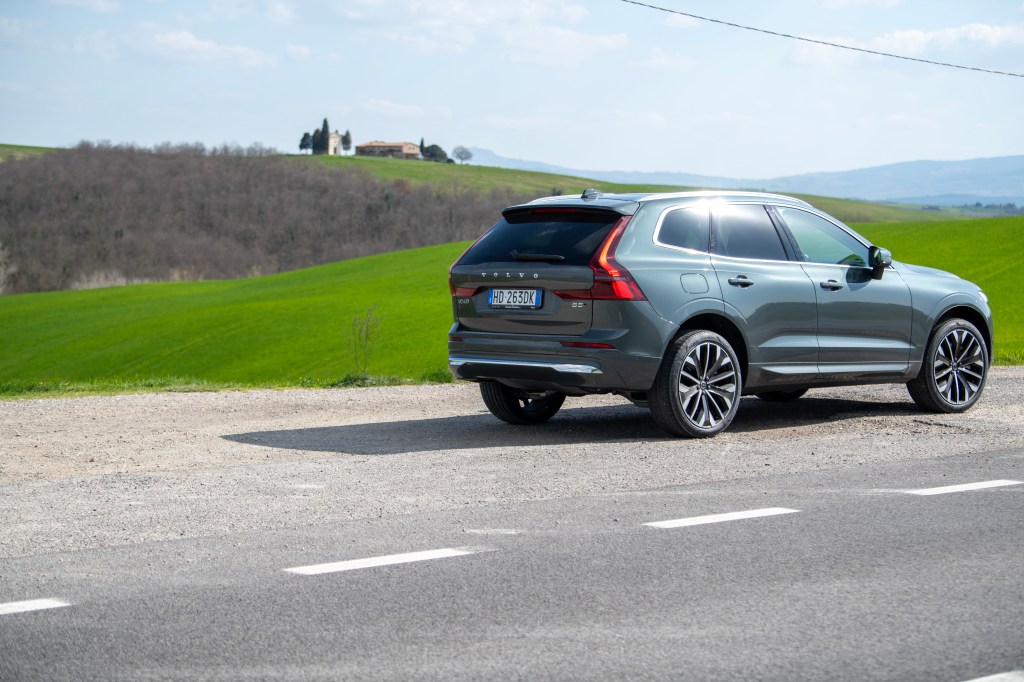
Val d’Orcia. From Rome to the Most Iconic Landscapes of Tuscany
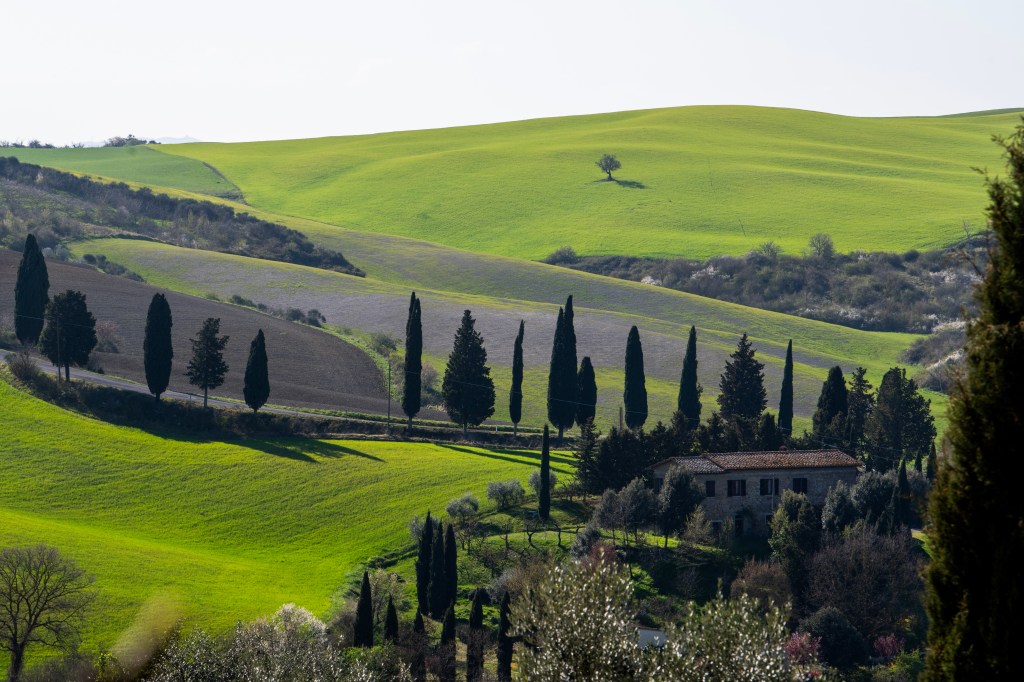
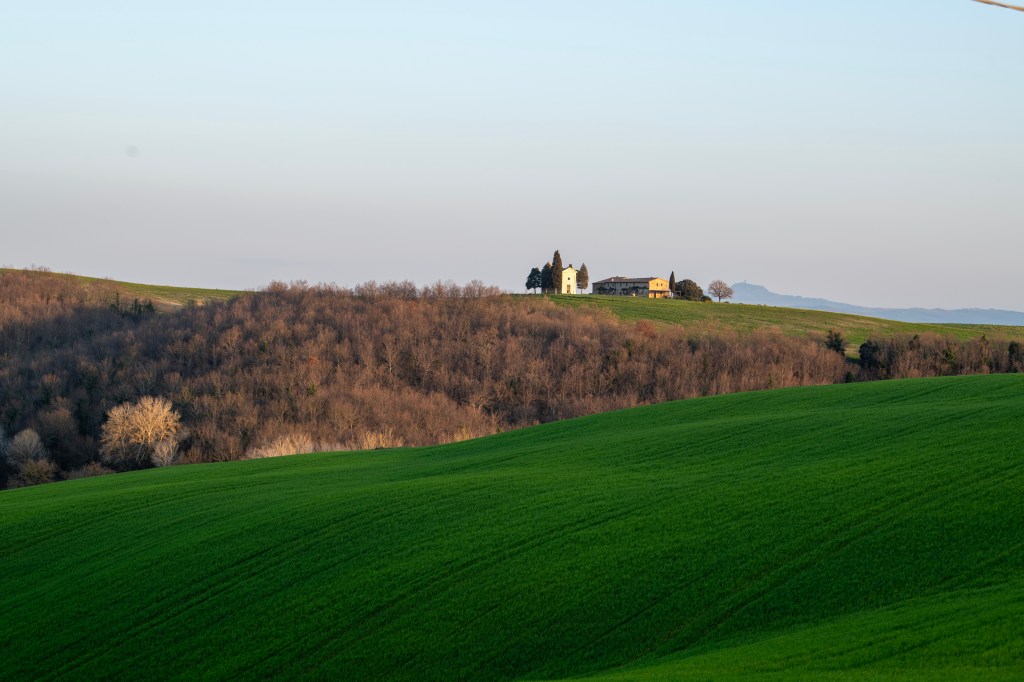
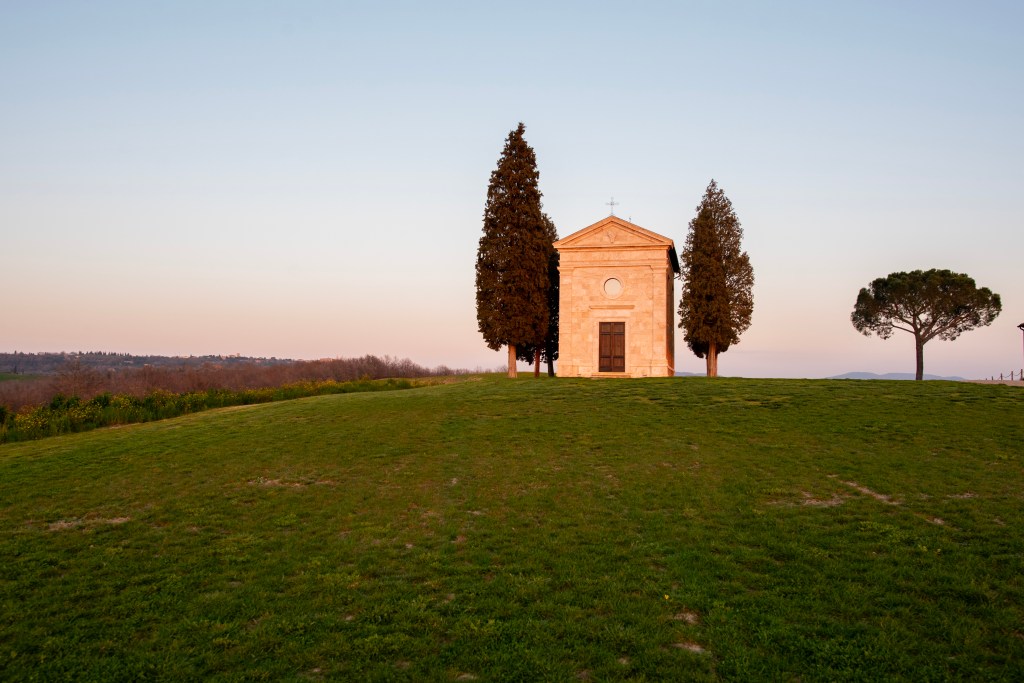
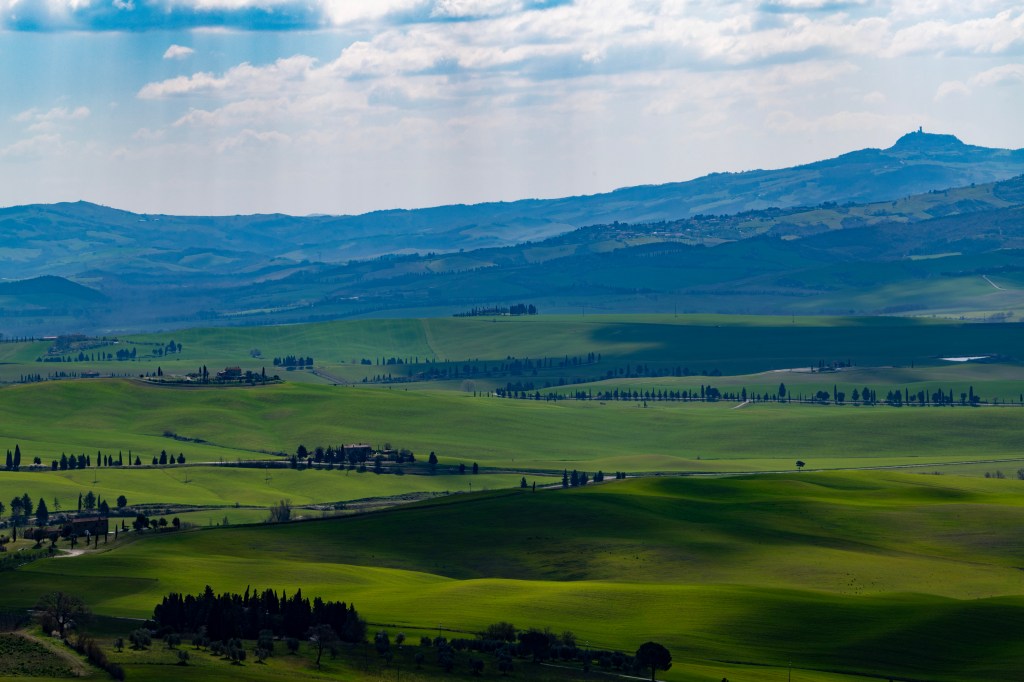
More than any other destination in central Italy, the Val d’Orcia embodies a shared visual memory. Its rolling hills, solitary cypress trees, pale farmhouses, and winding roads have become symbols of an idealized Italian countryside, recognized worldwide long before many travelers ever set foot there.
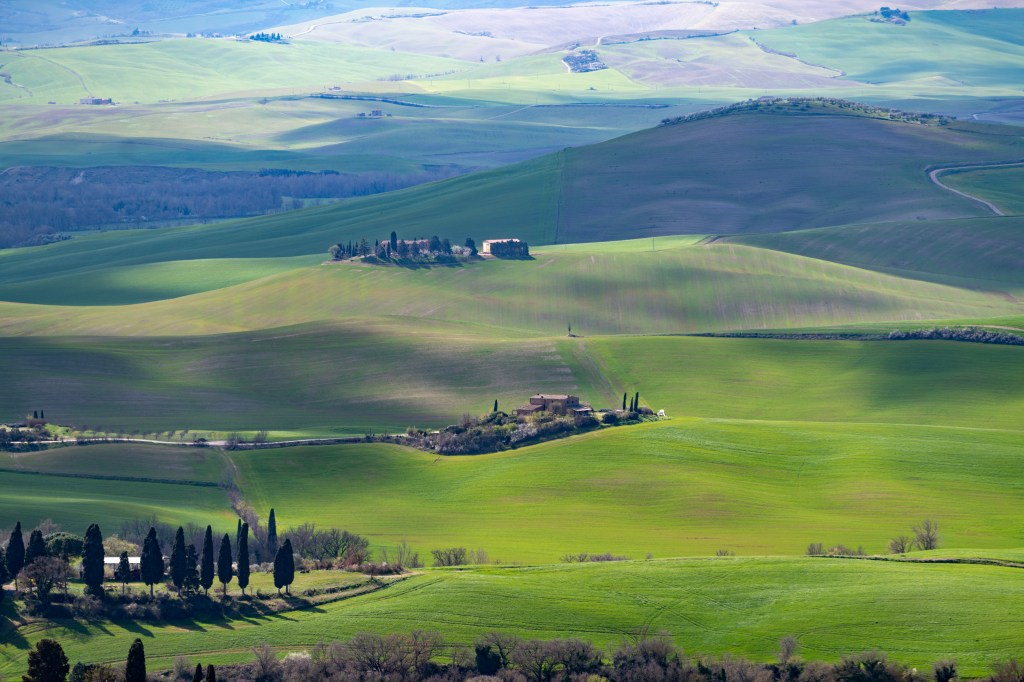
Reaching Val d’Orcia from Rome is part of the experience itself. The journey follows the ancient Via Cassia, a route that gently leaves the urban world behind and crosses the landscapes of the Tuscia, where volcanic soils, quiet villages, and wide horizons create a gradual transition toward Tuscany. Distance is balanced: far enough to feel elsewhere, close enough to remain fluid and unforced.
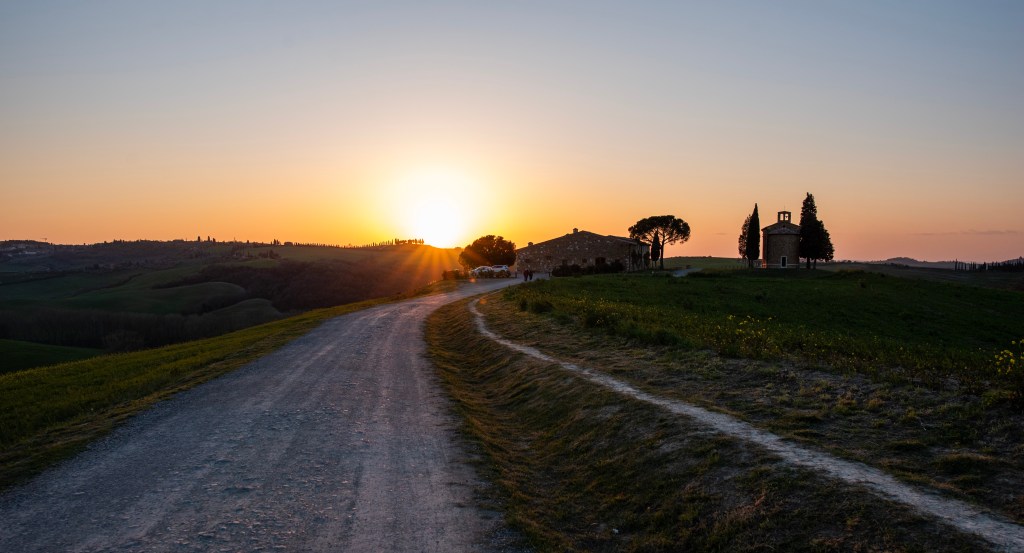
Entering a Designed Landscape
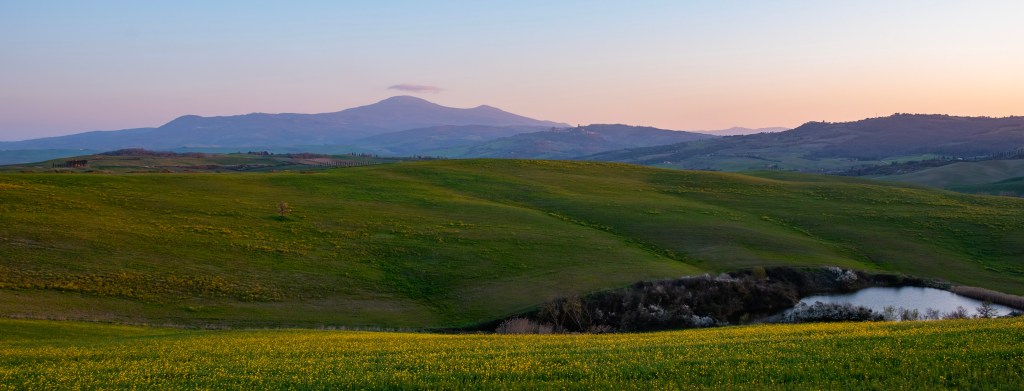
Val d’Orcia is not only beautiful by chance. Its harmony is the result of centuries of human presence shaped by agriculture, planning, and a precise idea of balance between land and settlement. During the Renaissance, these hills became an experiment in landscape design, where nature and culture were meant to coexist visibly and meaningfully.
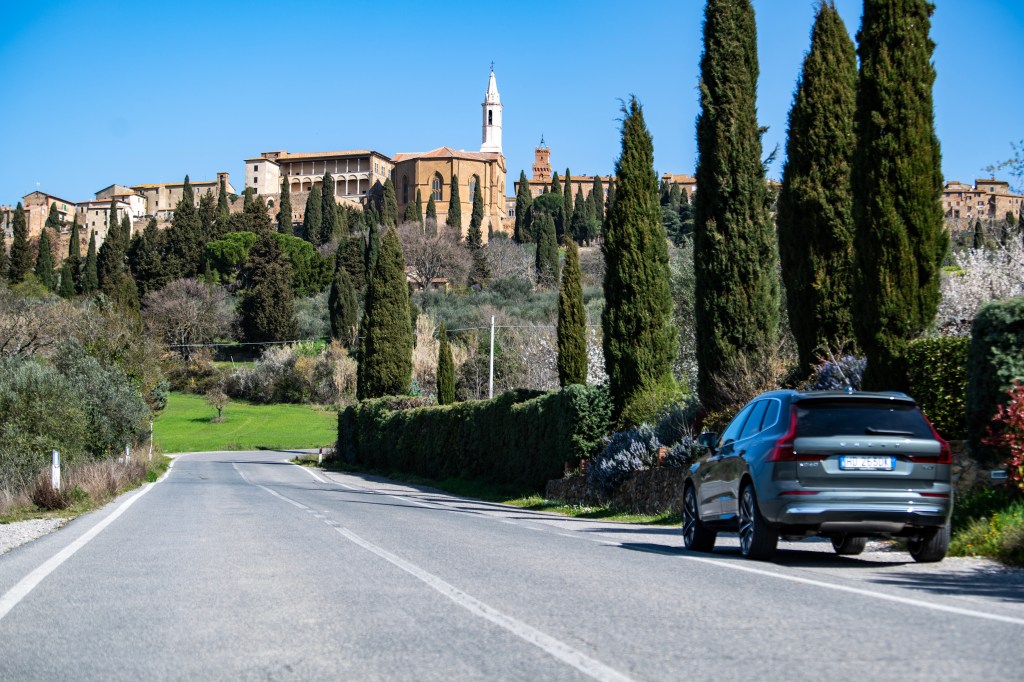
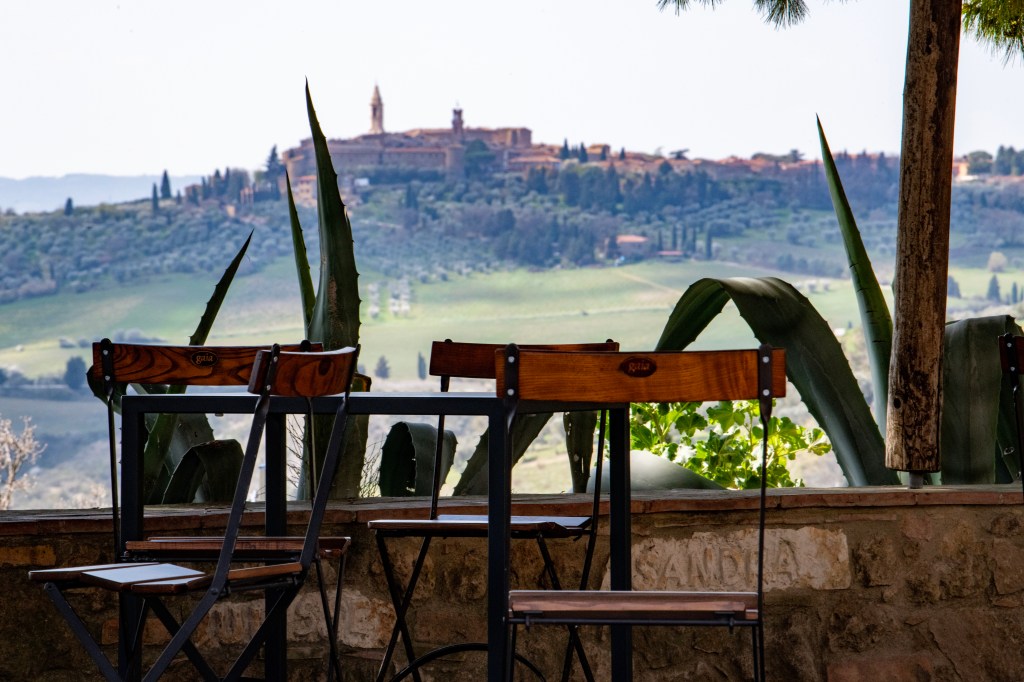
Arriving in Pienza, this vision becomes explicit. Conceived as an “ideal city” under Pope Pius II, Pienza offers measured architecture, carefully framed views over the valley, and an urban scale that invites walking, pausing, and looking outward. The landscape here is never a backdrop; it is an active presence.
Water, Stone, and Silence
A short distance away lies Bagno Vignoni, one of the most unusual places in Italy. Its central square is not paved, but filled with steaming thermal water, just as it has been for centuries. The surrounding buildings, arcades, and stone edges reflect a way of living where healing, daily life, and architecture are inseparable.
The atmosphere here encourages stillness. It is a place where one naturally slows down, allowing sound, steam, and light to define the experience rather than activity.
Vineyards and Time in Montalcino
Moving deeper into the hills, the road reaches Montalcino, a town inseparable from its vineyards. Here, landscape and wine culture form a single system, shaped by altitude, exposure, and patience. The surrounding countryside unfolds in long sequences of vines, olive groves, and isolated estates, offering some of the most recognizable views in Tuscany.
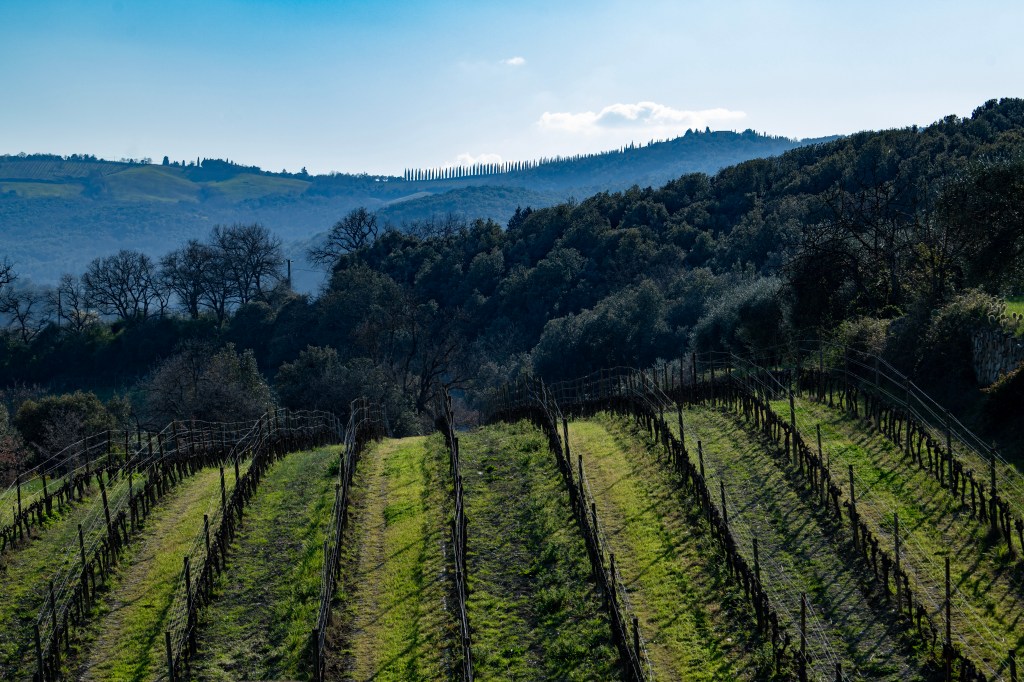
The presence of wine is not limited to tasting; it defines the rhythm of the territory. Cellars, farm roads, and hilltop views all speak the same language of time and continuity.
A Landscape Shaped by Cinema
Val d’Orcia has also become one of the most filmed landscapes in Italy. Its visual clarity and timeless quality have made it a natural setting for international cinema, appearing in films such as The English Patient, Gladiator, and Romeo + Juliet. These productions did not transform the landscape; they recognized it.
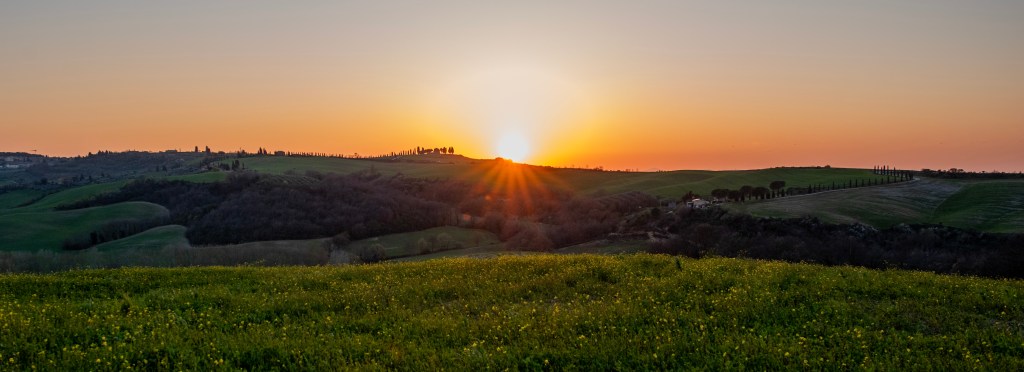
Driving through these hills often produces a sense of familiarity, as if the scenery had been seen before. Yet encountering it in person reveals depth and variation that no frame can fully capture.
Beyond the Icons
Alongside the well-known destinations, the valley is dotted with smaller villages and crossings that enrich the journey: places like San Quirico d’Orcia, with its Romanesque church and gardens, or Castiglione d’Orcia, where fortified stone architecture meets open countryside.
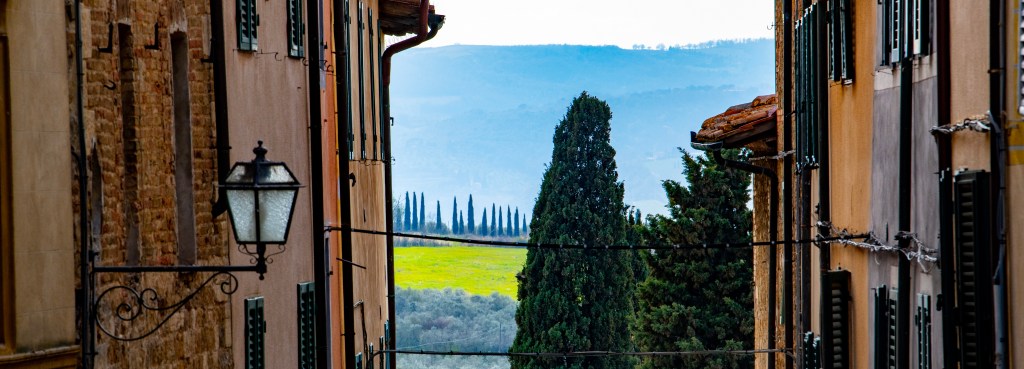
Each of these places contributes to the continuity of the landscape, reinforcing the feeling that Val d’Orcia is best understood as a whole rather than as a collection of stops.
Taste as Landscape Expression
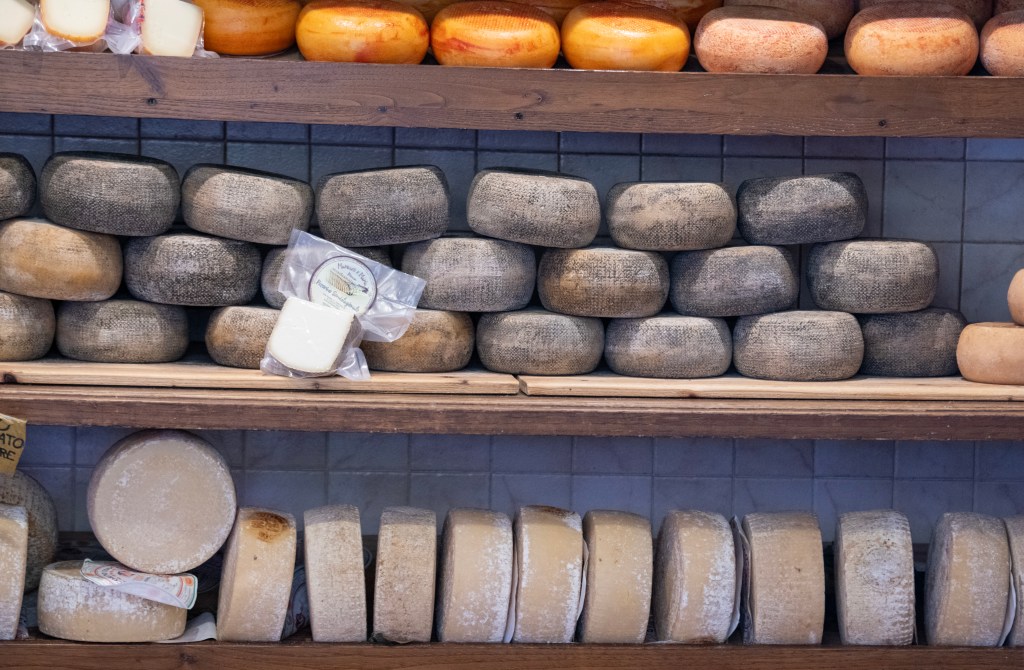
Here, food and wine are direct expressions of place. Pecorino cheeses, often associated with the area around Pienza, reflect pastoral traditions rooted in the surrounding hills. Hand-rolled pasta, slow-cooked meats, olive oil, and structured red wines form a cuisine that is both essential and deeply tied to seasonality.
Meals are part of the rhythm of the journey, moments where the territory expresses itself through taste as clearly as it does through views.
Extending Toward Siena
When time and inclination allow, the journey can extend toward Siena, whose medieval structure offers a striking counterpoint to the openness of Val d’Orcia. Siena’s dense urban fabric, shaped around the Piazza del Campo, adds another layer of understanding to the Tuscan landscape: the city as a concentration of energy, history, and form.
Val d’Orcia with QuodLibet
Within QuodLibet Private Journeys, Val d’Orcia is approached as a continuous landscape rather than a checklist of highlights. The day is shaped around light, distance, and balance, allowing time for views, small detours, and moments of stillness.
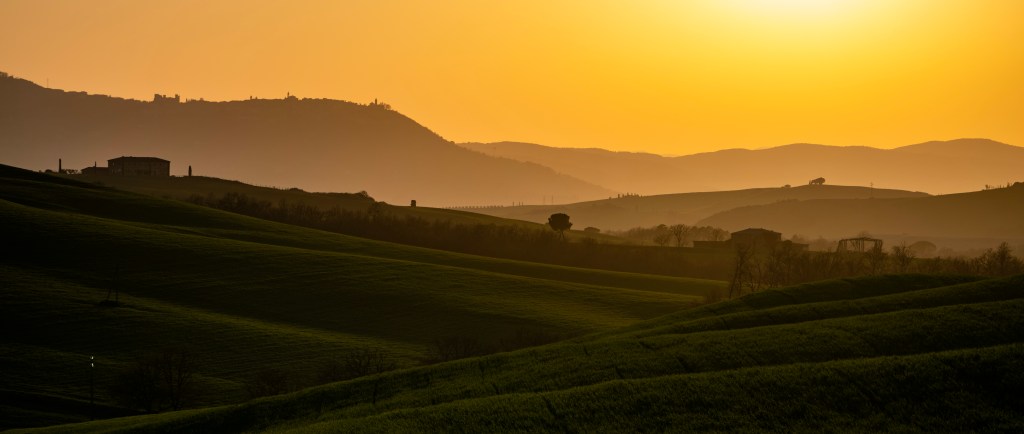
More than any other destination, Val d’Orcia offers images that feel both deeply personal and universally shared. Experiencing them directly, moving through them thoughtfully, reveals why this landscape has come to represent an enduring idea of Italy itself.
What the Val d’Orcia tour offers
- A private day trip from Rome for two guests
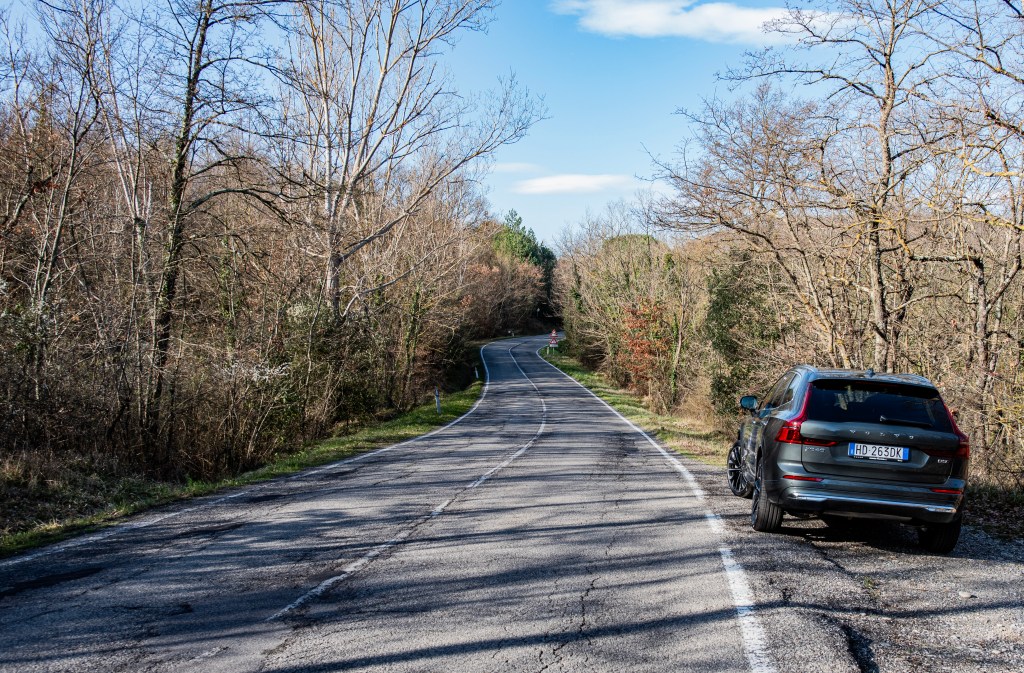
- Private transportation in a comfortable vehicle
- A Roman host who accompanies you throughout the day
- Flexibility and attention to rhythm rather than rigid schedules
Price
Full day tour: 1100, EUR
The tour includes: transportation with driver, fuel and pay-tools costs. The tour does not include food, extra excursions and entrance tickets to attractions
Who the Val d’Orcia private journey is for
This experience is ideal for couples and travellers who:
- wish to see the Val d’Orcia without the stress of large group tours
- value comfort, conversation and quiet moments
- enjoy iconic places when they can be experienced with time and perspective
 Quodlibet Private Journeys